

SEO Software - SE Ranking
SE Ranking is a comprehensive SEO tool that provides data and insights about your website's performance. Its features include ranking tracking, competitor analysis and keyword research. It also provides white labeling and API access.
It has a huge database of keywords and links and its interface makes it easy to use. It's also less expensive than other SEO tools for marketing.
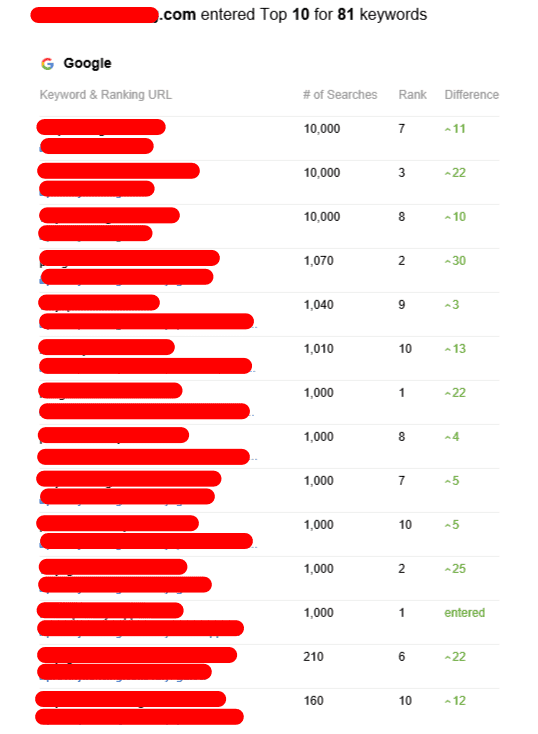
Keyword research
Keyword research is a crucial element of SEO (Search Engine Optimization) which is the process of increasing your website's ranking on search engines to attract more visitors. By connecting with customers who want to purchase your products, using the correct keywords can help you meet your business goals.
It is essential to find the keywords that are relevant to your business. This can be done by analyzing the competition or using free tools like Google Keyword Planner. Once you've created your list and you've created content around them. Be seo software and tools not to over-optimize your content by stuffing keywords into your copy. This could lead to keyword cannibalization. This happens when you employ the same keywords in different locations on your website.
Understanding the intent behind search is an additional crucial step. This will help you determine what type of searches your audience performs and what type of content they are searching for. Search terms such as "buy wedding cake" and "wedding ideas" have different intentions. The latter one is more commercial in nature which may indicate that the person looking for it is ready to buy something.
If you're struggling to come up with relevant keywords you can talk to your coworkers or customers. You might get some good ideas from them. You can also look up the keywords that bring traffic to your competitors' websites. This can provide you with an idea of the kind of content your competitors are creating and how well it is performing.
There are also tools for keyword research that will provide you with a list of search terms related to your search, as well as their volume of searches and their difficulty. Some will even offer structured keyword suggestions to match your keyword entries to the actual terms that are used in searches. This could be a huge time-saver when you write a keyword strategy.
Some of these tools are free, while others have subscription models. Some of these tools are all-in-one solutions, but their functionality is usually limited in comparison to standalone tools like Screaming Frog and KWFinder. Selecting the right tool for your needs requires extensive testing and comparison of features.
Optimization of the page
On-page SEO is the process of optimizing your website's structure and contents to increase its search engine rankings. It involves a variety of methods including keyword research and meta tags. It is also essential to optimize content for the user experience. This includes making use of relevant keywords, providing useful and informative information, and ensuring that the site loads quickly. On-page optimization includes the addition of internal links to related content and removing duplicates.
The first step in optimizing your site's pages is to determine what keywords your visitors are searching for. This can be done by researching the competition and looking at their websites to see what they're up to. Once you've decided which keywords to target the next step is to create your SEO content. Start by creating subheadings and titles that contain your keyword. These will be displayed in the search results and can help you rank higher in the SERPs.
Throughout the writing process Be sure to make use of your keywords in a thoughtful manner. Avoid repeating keywords too often, because this could hurt your rankings. In fact, if you repeatedly use your keyword, Google may punish your site for spamming. The best way to do this is to use them in a natural way that is logical for your target audience.
A clear and readable content is an important aspect of on-page optimization. This means using short paragraphs and sentences, avoiding lengthy blocks of text, and incorporating images to your content. This will give your content a more organic feel and make it easier for search engines to crawl and index. Avoid using excessive capitals and hyphens, as they can be confusing for readers and negatively impact the search results.
Internal linking is one of the most neglected aspects of optimization of your website's on-page. This involves linking to other pages on your site that are related to your subject. You can do this by adding "further Reading" sections at the end of your article or by using a navigation bar that links similar articles.
While on-page optimization isn't an all-encompassing solution, it can help your website rank better in search engine result pages (SERPs). Be aware that a variety of factors affect the ranking of a website therefore, be patient and follow the best practices.
Link building
Link building is the act of gaining backlinks from other websites to yours. It's among the most important aspects of SEO and can aid in achieving higher rankings on search engines. It's also a fantastic way to boost the authority of your website. Link building strategies include content marketing and creating useful tools. Email outreach as well as broken link building and public relations are all feasible.
Google's PageRank was utilized in the beginning of the search engines to rank results based on the amount of hyperlinks a site got from other websites. This was logical, as pages with a large number of links were thought to be more authoritative by search engines than sites with fewer links. Google's algorithm has changed over the years to focus on quality and relevancy rather than quantity.
Today, backlinks are one of the most important ranking factors in search engine optimization (SEO). According to Google's Andrey Lipattsev they account for as much as 30% of a page's ranking. Backlinks are like confirmations from other websites, and they assist search engines decide which website is the most effective.
There are a variety of ways to create links. The best method depends on your goals and the conditions. For example, if you are looking to boost your ranking for a certain search term, you can use a tool that analyzes the number of unique referring domains from each competitor's links. This will let you know which competitors are more likely to have links that are relevant to your keywords.
Another way to create links is to write guest posts for other blogs in your niche. This is a popular technique, as it can bring in a significant amount of traffic to your website. However, it's important to make sure that you only post high-quality content on other blogs. Otherwise, you could be penalized by search engines.
The best method to locate quality links is to conduct an analysis of competitors. This will let you know which tactics are working for your competitors and which aren't. In addition, it will give you insight into what types of content are most popular and what the most effective keywords are for your business.
Analytics
Analytics is a crucial aspect of SEO because it allows you to understand the areas where you are doing well and how you can improve. It allows you track your performance, measure it against your competitors and spot trends over time. This data can aid you in making more informed decisions regarding your marketing strategy and ultimately, improve your search engine rank.
There are a variety of analytics tools on the market, ranging from single-use apps that concentrate on a particular aspect of SEO to software suites that are all-in-one with multiple features. All-in-one programs tend to be more expensive and come with an arduous learning curve than single-use tools. They also provide more features and depth than single-use applications. Ahrefs or Semrush, for example are all-in-one SEO tools that let you perform keyword research, competitor analysis, site audits, as well as backlink management.
The top SEO tools can also evaluate the individual pages on a website. These tools can provide a score for each page that reveals the likelihood of the page to be ranked, based on factors such as keywords or phrases, page authority, and backlinks. The score for a page is usually lower than the score of a domain.
You can use Google Analytics or Search Console to track metrics and keywords on your website. These tools can also aid you in reassessing the worth of your content if it's no longer driving traffic. Clearscope is a different tool that helps to create content of high quality with a good chance of being ranked by search engines. Clearscope combines all the data SEOs require to ensure that their content is optimized for their target keyword such as word count, readability, related topics and long-tail keywords, and much more.
Screaming Frog is another popular free SEO tool. It is a Java-based program that performs a basic site audit and checks for broken hyperlinks. It also detects duplicate content, URLs that are shortened and redirections. It also has an analyzer of logs that can show what search robots are looking for in. Xenu is a free open-source tool that checks the authenticity of website logs. Check My Links tracks redirected URLs and URLs that have been shortened.